

What archetype is Meghan Sussex? (and what should she shift to?)
Or should she shift at all? Let's find out.

[This is a super long 10 minute read guys and is designed to be read on platform, so grab a coffee and settle in. It’s worth it.]
My followers know I'm having a Duchess of Sussex 2026.
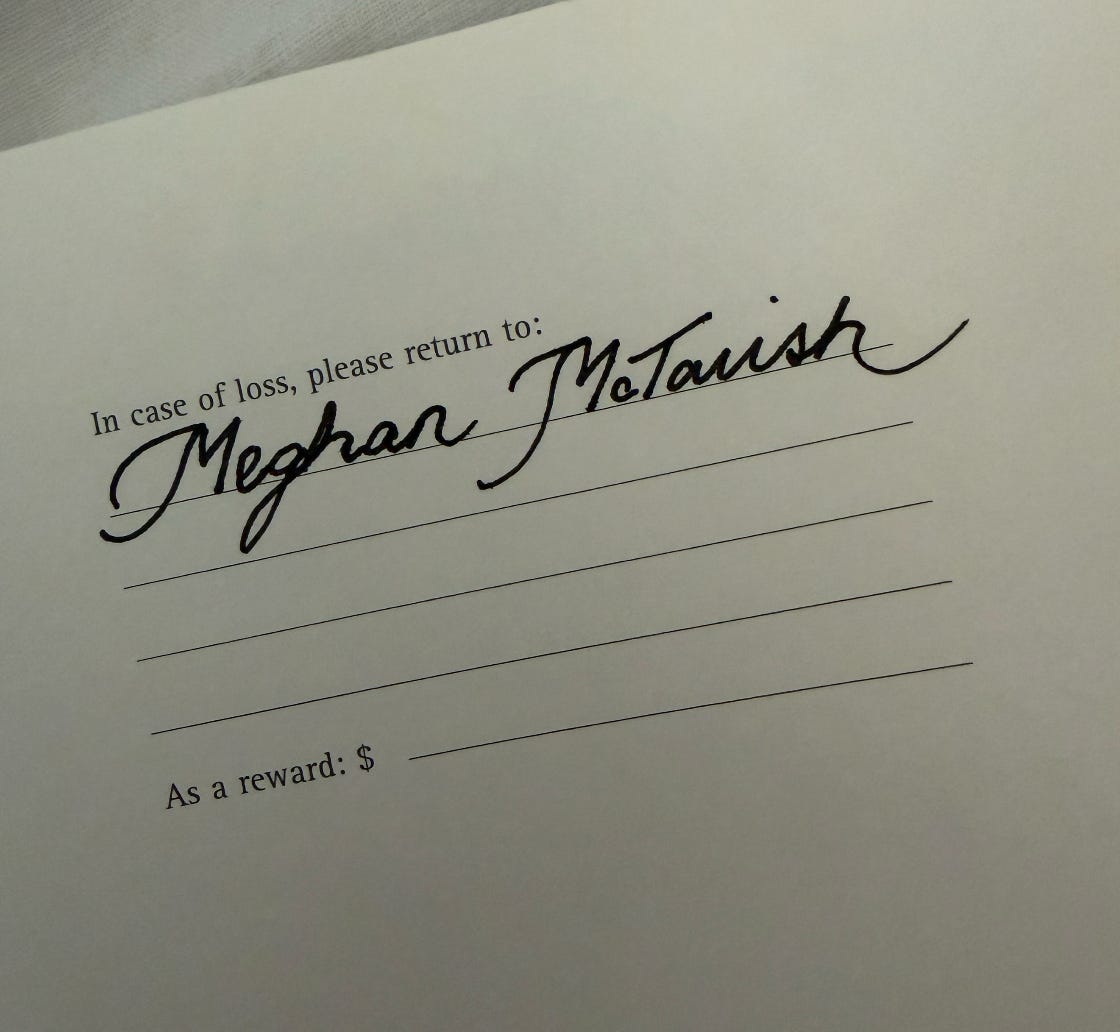
Not because I'm marrying a prince (though, manifestation board energy 🙏), but because I've been working on my calligraphy skills.
Yes, that thing Meghan did before she was famous.
That thing she mentioned in interviews with a self-aware chuckle about how she used to do wedding invitations to make ends meet as an actress.
So naturally, the Duchess has been top of mind for me lately.
Here’s my first try, what do you think? Yes, my name is also Meghan so I feel a certain affinity for her.
And the more I’ve been thinking about her, the more fascinated I’ve become by her public image problem.
Because here’s the thing: Meghan Sussex (or Markle, depending on which side of the Meghan-fence you sit on) is one of the most polarising figures in modern celebrity culture.
Some people see her as a brave truth-teller who walked away from an oppressive institution. Others see her as a calculating opportunist who turned family pain into profit.
The vitriol is extraordinary. The defense is equally passionate.
But what’s most interesting to me, as someone who studies archetypes and how we script our lives, is that both sides have a point.
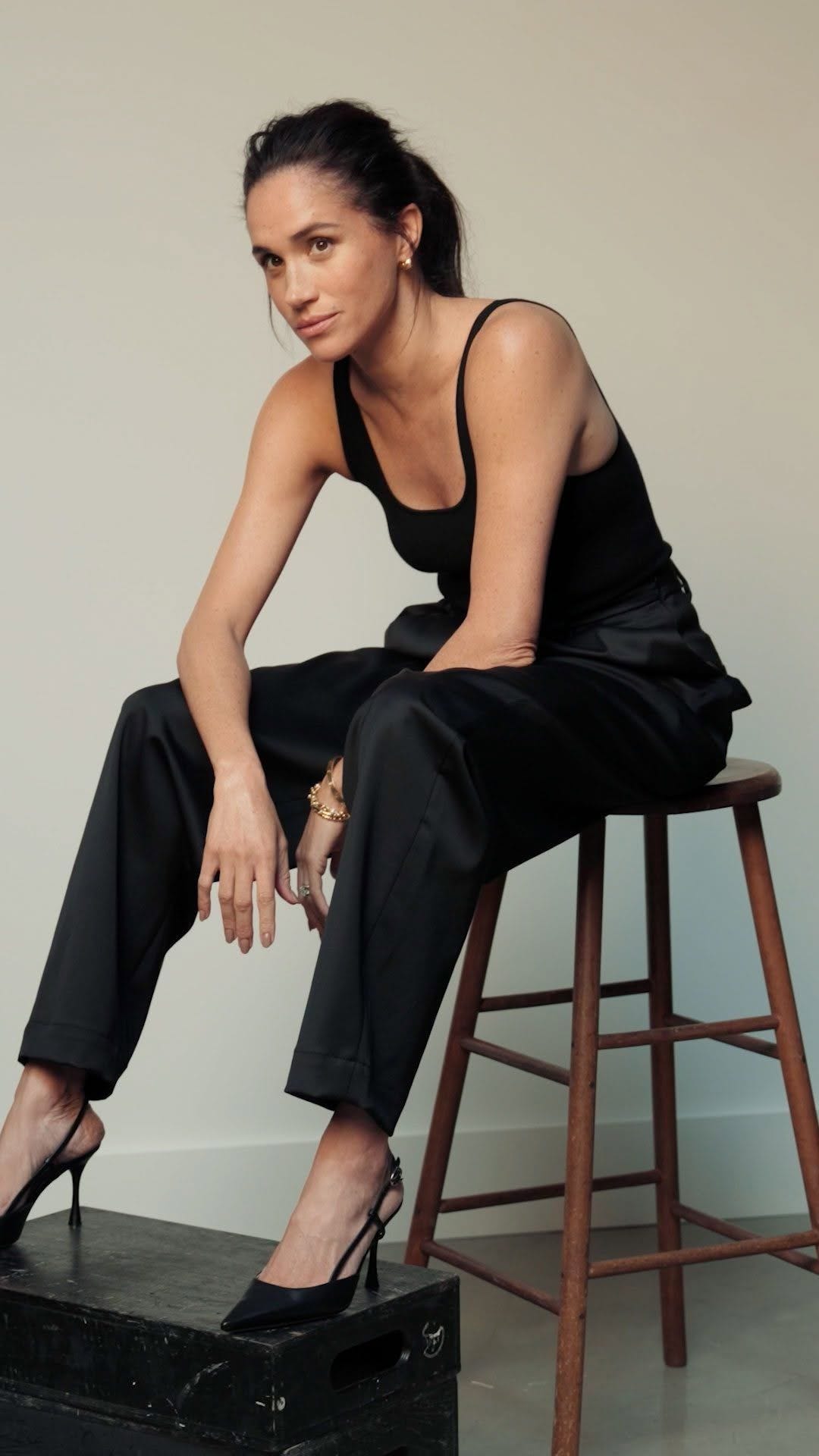

I wager a large portion of the backlash against Markle as rooted partly in envy, not just princess envy, but envy of someone who appears to have crafted a life on their own terms.
This article from Psychology Today (so take with a grain of salt) says that this envy often disguises itself as judgment, with critics calling her fake.
Meanwhile, her supporters argue she's simply being herself in a world that won't let her win. In a recent podcast appearance, Meghan said if she could rewrite her public narrative, she would "ask people to tell the truth," and she defended her social media presence as authentic, saying "You have to be authentic".
But here's where it gets interesting, Bethenny Frankel diagnosed Meghan's problem as not a branding issue, but "an identity and an authenticity issue," explaining that "it's hard for people to be authentic when they're not really sure on their own who they are or what it is". And Bethany’s from Real Housewives, she KNOWS pretentious.
Then there’s that one South Park episode that roasted the Sussexes and made this same point in brutal fashion, cruelly depicting Meghan as literally hollow inside. (I didn’t watch it).

If you’ve been following The Plotline© (or if you took my quiz), you know I work with five core archetypes: The Caregiver, The Rebel, The Overachiever, The Peacemaker, and The Comic Relief. These are the survival scripts most of us are running (aka, the patterns we adopted in childhood that may no longer serve us).
But here’s the thing: there are way more archetypes than those five. I focus on those because they’re the most common in my work around codependency and people-pleasing, but the archetypal universe is vast.
According to Carl Jung, archetypes are innate patterns of thought and behaviour that strive for realisation within an individual’s environment, and this process influences individuation, the development of a unique identity.
In my other life as a Copywriter in an ad agency, these same archetypal patterns help companies create identities that resonate on a subconscious level. Twelve archetypes have been commonly used in branding: Sage, Innocent, Explorer, Ruler, Creator, Caregiver, Magician, Hero, Outlaw, Lover, Jester, and the Everyman/person.
Why does this matter for Meghan?
Because when your public persona doesn’t align with a clear archetype, or when you try to embody too many at once, people experience cognitive dissonance.
They can’t figure out your pattern.
And that reads as “fake.”
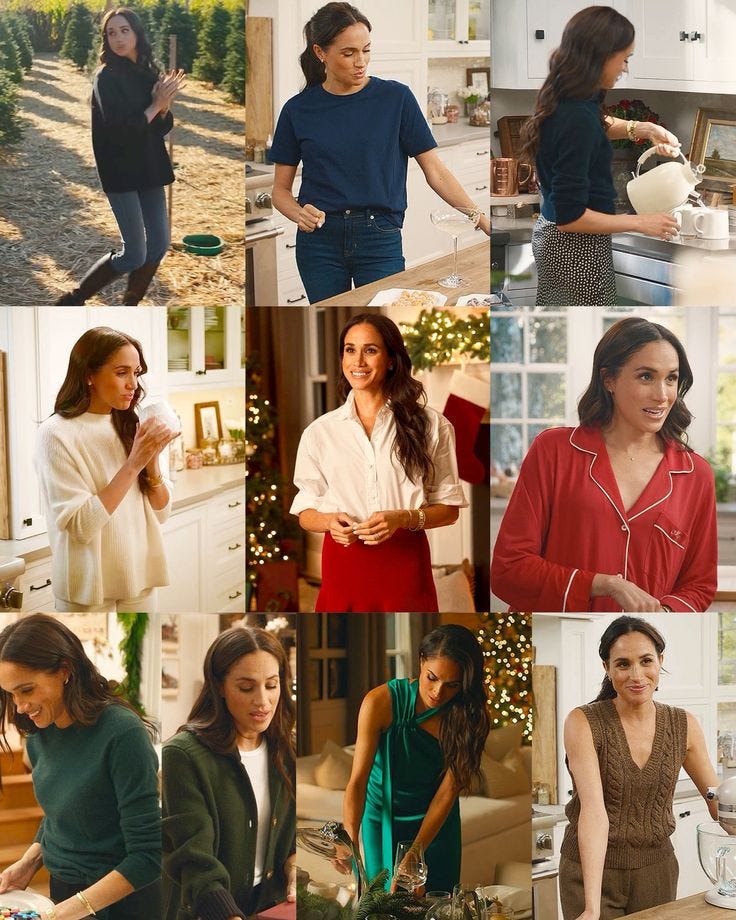

This is where it gets messy, because Meghan appears to be cycling through multiple archetypal identities, often contradicting herself in the process.
The Rebel/Outlaw
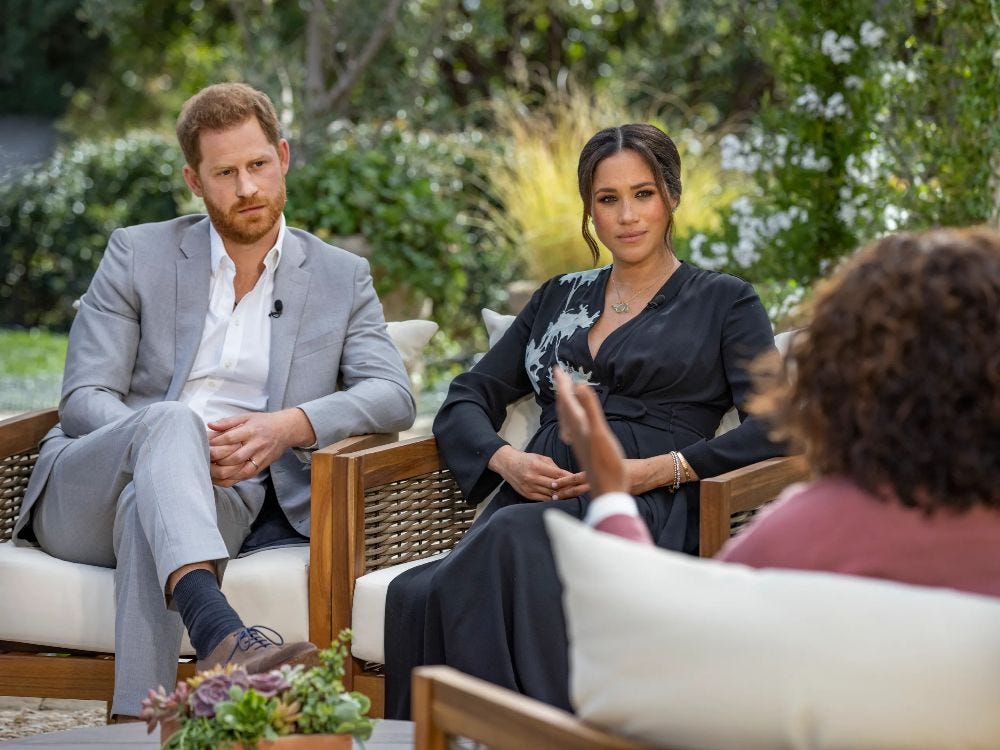
This was her strongest archetypal pull during the Oprah interview and the release of Spare. Initially, readers found the memoir’s portrayal of Markle sympathetic, particularly regarding pre-wedding drama and revelations about institutional indifference toward her mental health. I know because I was HOOKED.
She was the woman who spoke truth to power, who walked away from the royal family, who broke the rules.
The Rebel archetype questions authority and breaks conventions. Think Virgin, Harley-Davidson, or Diesel. It’s powerful. It’s magnetic. It works.
Then critics emerged who viewed the Sussexes as “profiting from pain” and turning royal experiences into brand capital.
Here lies the problem.
The Rebel archetype requires authenticity and a clear “us vs. them” narrative. When people perceive you’re rebelling for profit rather than principle, the archetype collapses.
The Caregiver
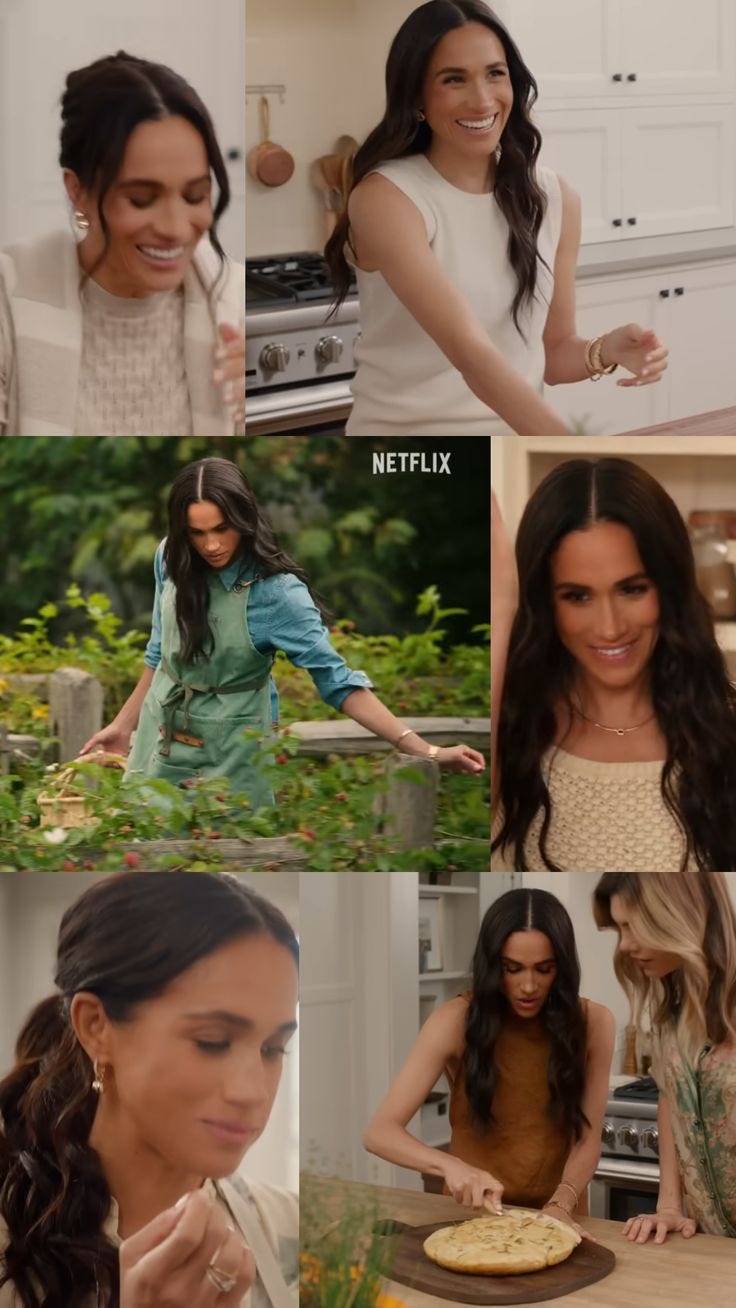
This is the archetype Meghan seems to want to embody now, the nurturing, compassionate woman who creates a beautiful home, hosts with grace, and shares wellness wisdom.
Her Netflix show With Love, Meghan and her lifestyle brand As Ever are textbook Caregiver energy.
The Caregiver archetype is about service, compassion, and creating safe spaces. Think Johnson & Johnson, UNICEF, or Dove.
The Ruler
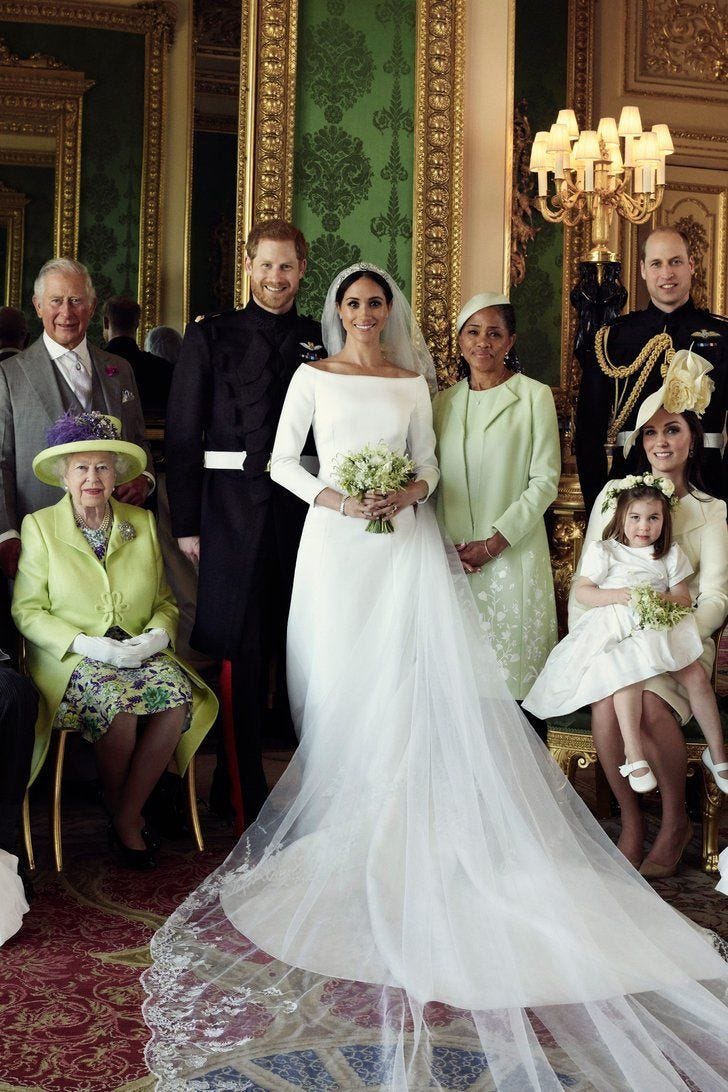
Before she was the Rebel, Meghan embodied aspects of the Ruler archetype—the sophisticated, polished woman who married into royalty, wore impeccable fashion, and represented elegance and power.
Elizabeth Holmes, author of HRH: So Many Thoughts on Royal Style, wrote that unlike Kate and Diana who were teenagers when they entered royal life, Meghan “had not lived an independent life” and “by the time she met Harry, had done a lot”, making her fundamentally different from previous royal women.
The Ruler archetype is about control, leadership, and creating order. Think Mercedes-Benz, Microsoft, or Rolex. It requires authority and competence.
But Meghan’s Ruler phase ended when she left the institution that gave her that title.
Because, as you can probably understand, you can’t be a Ruler without a kingdom. Literal or metaphorical.
The Innocent
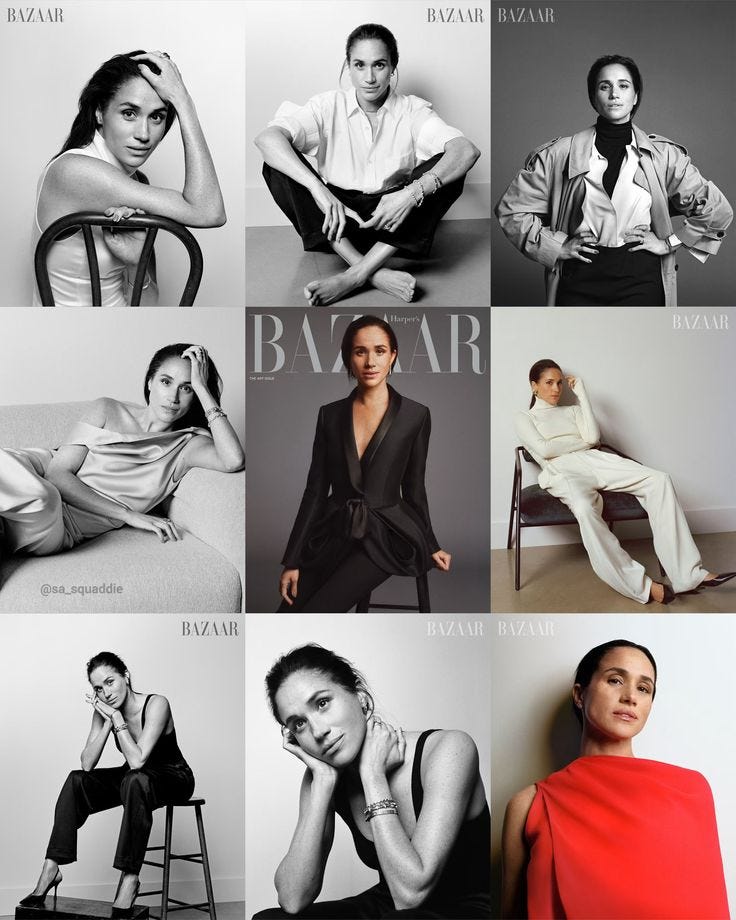
There are moments where Meghan tries to position herself as the Innocent with pure intentions, just wanting to be herself, surprised by the cruelty of the world.
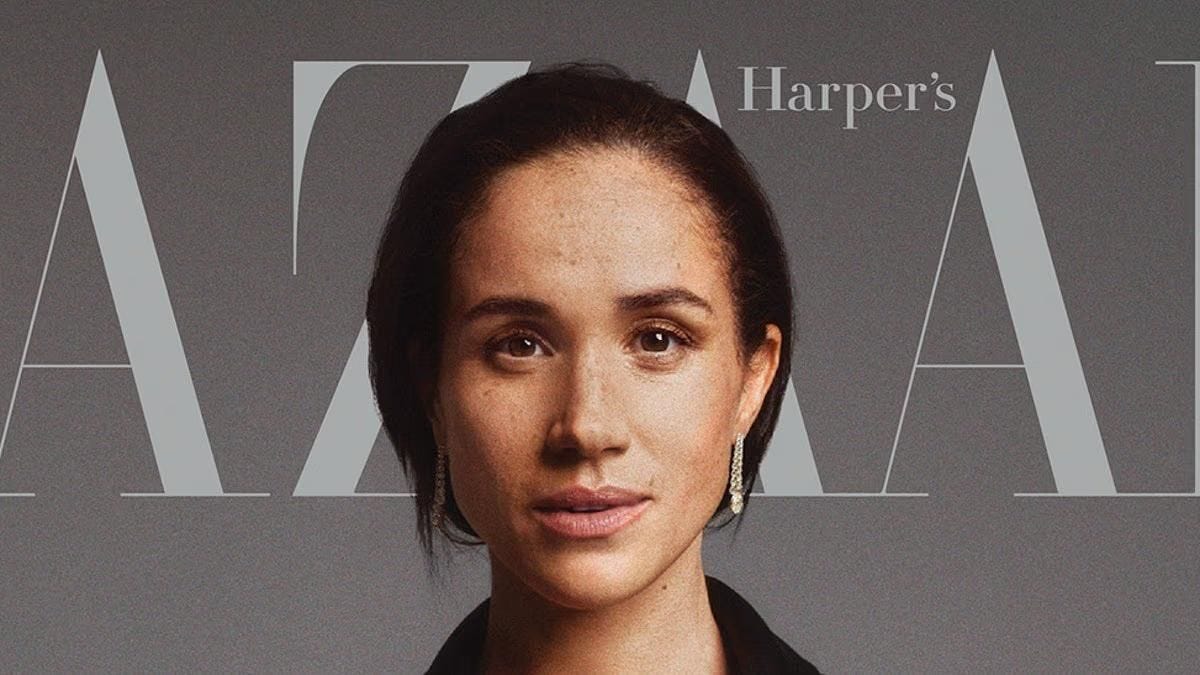
Most recently, Meghan told Harper’s Bazaar, “the moment that you start making all of your personal decisions based on external judgment, then you lose your authenticity”, positioning herself as someone simply trying to be true to herself despite harsh criticism.
The Innocent archetype represents optimism, safety, and goodness.
Think Coca-Cola, Dove, or Nintendo.
But the Innocent doesn’t work when people see you as calculating. A Newsweek opinion piece called Meghan’s Oprah interview “the performance of her life,” claiming her version of truth was “littered with falsehoods” and describing it as manipulation rather than innocence.
So she’s screwed when it comes to that.

Meghan literally called her Spotify interview podcast ‘Archetypes’, so this is a problem she seems to be aware of.
What’s actually happening: Meghan is trying to be all of these at once, depending on the context.
She’s the Rebel when she talks about leaving the royal family.
She’s the Caregiver when she’s hosting her lifestyle show.
She’s trying to maintain Ruler sophistication while claiming Innocent victimhood.
The thing is, researchers have found that brands with tightly defined archetypal identities usually rise in value by 97% more over six years than confused brands with characteristics from many different archetypes.
This is Meghan’s core issue. As one branding expert put it, Meghan’s public identity has shifted constantly, actress, activist, duchess, podcast host, Netflix producer, lifestyle entrepreneur, leaving audiences wondering “Who is Meghan now? And what does she stand for?”

If Meghan wants to reclaim her narrative and build a sustainable public image, she needs to choose one clear archetypal identity and commit to it fully.
I say one of these are her best options:
The Explorer
This might be her most authentic path forward.
The Explorer archetype is about freedom, discovery, and authentic experience. It’s about breaking boundaries not to rebel against something, but to discover something new. Think Jeep, Patagonia, or Red Bull.
Meghan could position herself as someone exploring what it means to build a life outside traditional structures, not as a victim of the royal family, but as someone genuinely curious about creating meaning on her own terms. This would allow her to:
Keep her adventurous, boundary-pushing energy
Focus on discovery rather than explanations
Build a lifestyle brand around authentic exploration (travel, culture, personal growth)
Stop defending her past and start showcasing her present
The Explorer doesn’t need to be perfect or curated. It just needs to be genuinely curious and brave enough to show the messy parts of the journey.
But that’s the problem… Because Meghan is also incredibly stylish and beautiful and…
The Creator
… creative.
Meghan genuinely loves creating, whether it’s calligraphy, hosting, or building brands, so she should lean fully into the Creator archetype.
The Creator archetype represents imagination, innovation, and self-expression, with brands striving for originality and creativity. Think Apple, Lego, or Adobe.
But this would require her to:
Stop justifying her creative choices and just create
Embrace imperfection and experimentation
Position her brands as works in progress instead of polished final products
Show the actual creative process, not just the Instagram-perfect result
Creators don't have to be like everyone else, they just have to be interesting.
The Sage (But This Is Risky)
The Sage archetype is about wisdom, truth, and helping others understand the world. This is for brands like Google, PBS, or The New York Times.
One analysis noted that Meghan represents “a fascinating case of public polarisation,” simultaneously “a victim and an architect of her narrative,” navigating structural racism, image criticism, and marketing systems.
If Meghan leaned into this complexity, actually teaching about navigating institutional power, biracial identity, and public scrutiny with intellectual depth rather than emotional appeal, she could position herself as a thought leader.
But this only works if she’s willing to:
Be intellectually rigorous (not just emotionally resonant)
Acknowledge her own contradictions and mistakes
Stop seeking sympathy and start offering insight
Focus on helping others navigate similar challenges, not just sharing her own story
This is the hardest path because it requires the most vulnerability and self-awareness.
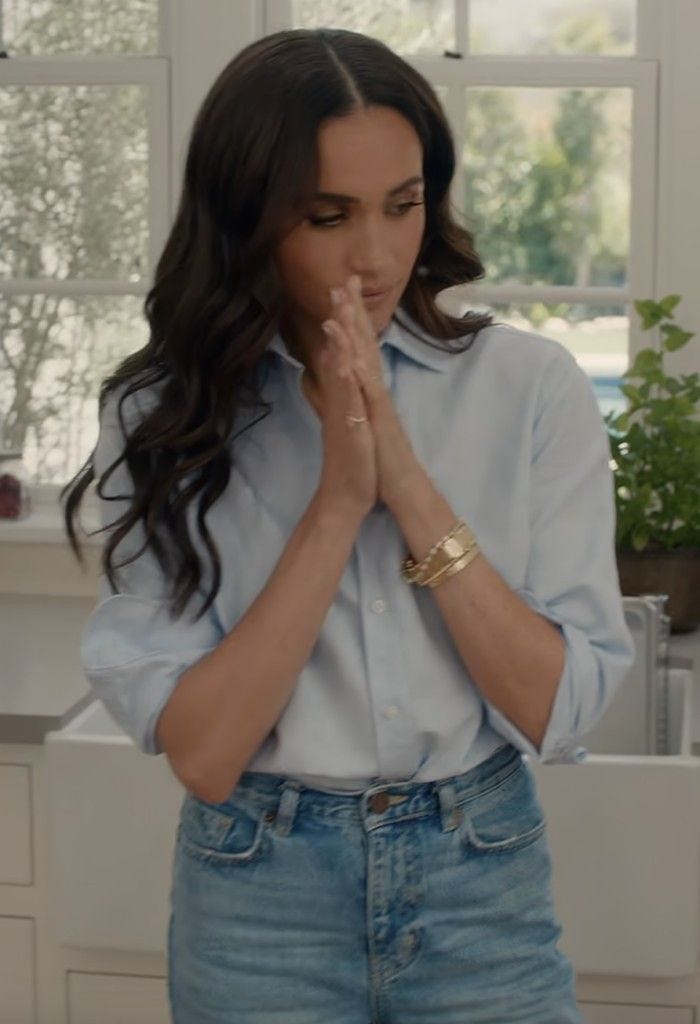

For be it for me to tell Meghan what to do but from one Meghan to another, here’s my 5 cents.
Meghan needs to shift from performing authenticity to actually embodying it.
The difference between performing and embodying an archetype is this:
Performing means you’re aware of the audience, adjusting your behavior to control their perception. You’re reactive, changing your story based on feedback.
Embodying means you’re living from a core identity, making choices that align with your values regardless of public opinion. You’re proactive, defining yourself on your own terms.
Meghan is currently performing multiple archetypes depending on the situation.
The most successful people, whether they're building brands or building lives, understand that you can't be everything to everyone.
You have to choose who you are and commit to it, even when it's uncomfortable.
She needs to choose one and embody it, which means accepting that not everyone will like it, and that’s okay.
Scary to do, which is why so many people struggle with this.
The lesson for us all here is, the main character doesn't need to convince everyone they're the hero.
The main character just needs to know their own story and live it fully.

PS: If you’d like a sidekick on this self-actualisation journey then you can find The Plotline© journal here and it’s companion app here (although you can use the app without the journal too). The app is fun to use with the journal on days you aren’t feeling uber creative.
Why join The Plotline© as paid subscriber? ✨ Here’s what’s included:
✨Access to premium Plotline tools you’d normally buy in-store
Instant downloads of journals, guides, prompts, and expansion packs that usually live at doitfortheplotline.com for $11–$39.
✨Quarterly surprise gifts designed to level up your character arc
Digital bonuses, new frameworks, mini-courses, archetype deep-dives and more, delivered every season.
✨Exclusive guided journaling not released anywhere else
Deeper work, advanced exercises, story reframes, and personal development prompts built only for the inner circle.
✨Private essays + Founder Notes
More honest, more intimate reflections on identity, creativity, relationships, archetypes, and the psychology behind the Plotline method, to help you live a more cinematic life.
✨First access (and discounts) to new launches
Subscribers get early access to physical products, new templates, workshops, retreats, and seasonal Plotline expansions.
About Meghan at The Plotline©
Hey, I’m Meghan, the mind behind The Plotline©. I’m an Australian writer, founder, and parent who has spent the last few years turning every plot twist in my life into something worth learning from. I built The Plotline© because I needed a way to feel like the main character in my own story again, and it turns out thousands of you did too.
By day, I juggle copywriting for brands I love, improving the The Plotline© app, running a little journal company, and raising my son. By night, I write here about the parts of life that usually stay under the rug: the rewrites, the self-resurrections, the tiny joys that save us, the things we get wrong, and how to start again without starting over.
This space is where I pour everything I know about storytelling, self-worth, psychology, and becoming the version of yourself you secretly hope is possible. If you’re here, you’re probably in your own plot twist. Good. That means the story’s getting interesting.

Further reading:
Source: Psychology Today - “The Psychology Behind the Meghan Markle Backlash” (March 19, 2025)
GB News - “Meghan Markle regrets that ‘people did not tell the truth’ in new candid chat” (June 16, 2025)
Newsweek - “Meghan Markle Has an Identity Crisis, Bethenny Frankel Says” (February 21, 2025)
Simply Psychology - “Carl Jung’s Theory of Personality” (May 29, 2025)
Visme - “12 Brand Archetypes by Carl Jung (& How to Use Them)” (September 27, 2024)
Grazia Magazine - “How Has Public Perception of Meghan Markle Changed Since the Release of ‘Spare’?” (May 8, 2025)
Fox News - “Meghan Markle is ‘reworking the math’ when it comes to her image: expert” (March 5, 2025)
Vocal Media - “Meghan Markle’s ‘Authenticity’ Problem: What Her Latest Interview Really Reveals”
Yahoo Entertainment - “The Meghan Markle Debate: Experts, Insiders, Friends on Why She’s So Polarizing” (March 26, 2025)
Newsweek - “Meghan Markle addresses authenticity crisis after ‘judgment’” (November 20, 2025)
Newsweek Opinion - “Meghan and Harry’s Misleading, Manipulative Interview” (March 9, 2021)
Iconic Fox - “Brand Archetypes: The Definitive Guide [36 Examples]” (May 3, 2018)
Medium - “Why Meghan Markle’s Brand Flopped But Hailey Bieber Built a Billion-Dollar Business” (July 21, 2025)
Medium - “Meghan Markle: The Polarization of the Public Figure” (January 3, 2025)